Tips for Transitioning from Software Engineer to ML Engineer
Actionable advice for software developers looking to pivot into Machine Learning and AI.
Hammad Qaiser
The transition from Software Engineering (SWE) to Machine Learning Engineering (MLE) is a popular career move. While you already have the coding foundation, the mindset requires a shift.
1. Focus on Data over Logic
In SWE, you write the logic. In MLE, the data creates the logic. Spend time understanding data distributions, cleaning techniques, and feature engineering.
2. Brush up on Math Basics
You don't need a PhD in Mathematics, but a solid grasp of Linear Algebra, Calculus, and Probability will help you understand how algorithms optimize and why models fail.
3. Build End-to-End Projects
Don't just train a model in a Jupyter Notebook. Build an API around it using FastAPI, containerize it with Docker, and deploy it. MLOps is a highly valued skill.
4. Learn the Modern Stack
Familiarize yourself with PyTorch, Hugging Face, and vector databases. Understanding the ecosystem will make you productive immediately.
Continue Reading
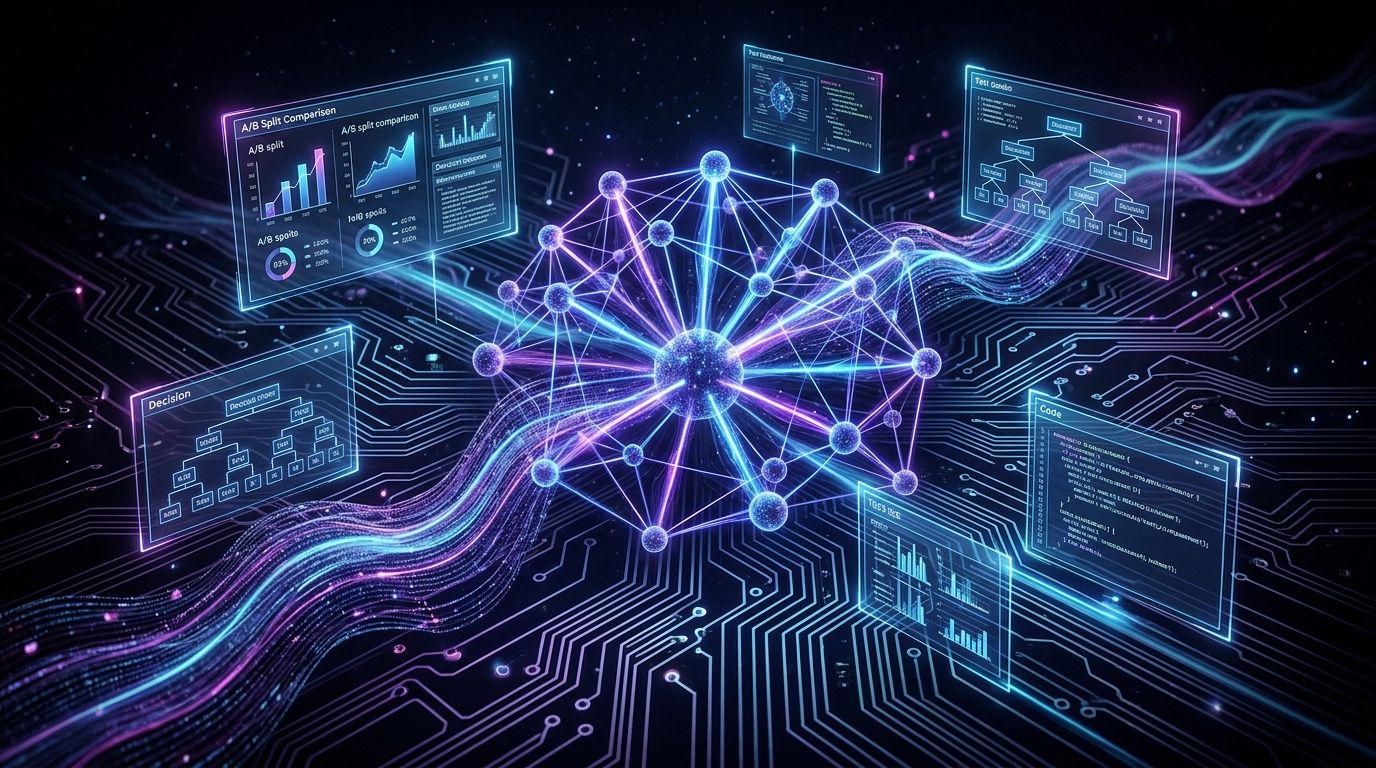
The Ultimate Feature Test: AI Systems, A/B Decisions & Dual-Model Synthesis
A comprehensive, kitchen-sink article testing every content feature: Mermaid diagrams, carousels, code blocks, multi-column tables, LaTeX math, GitHub alerts, A/B testing analysis, dual-solution comparison, and generated images — all woven into a real narrative about AI system design.

The Complete Guide to Artificial Intelligence: From Neurons to the Singularity
A comprehensive, multi-format deep-dive into AI — featuring diagrams, carousels, code, tables, A/B comparisons, and more.
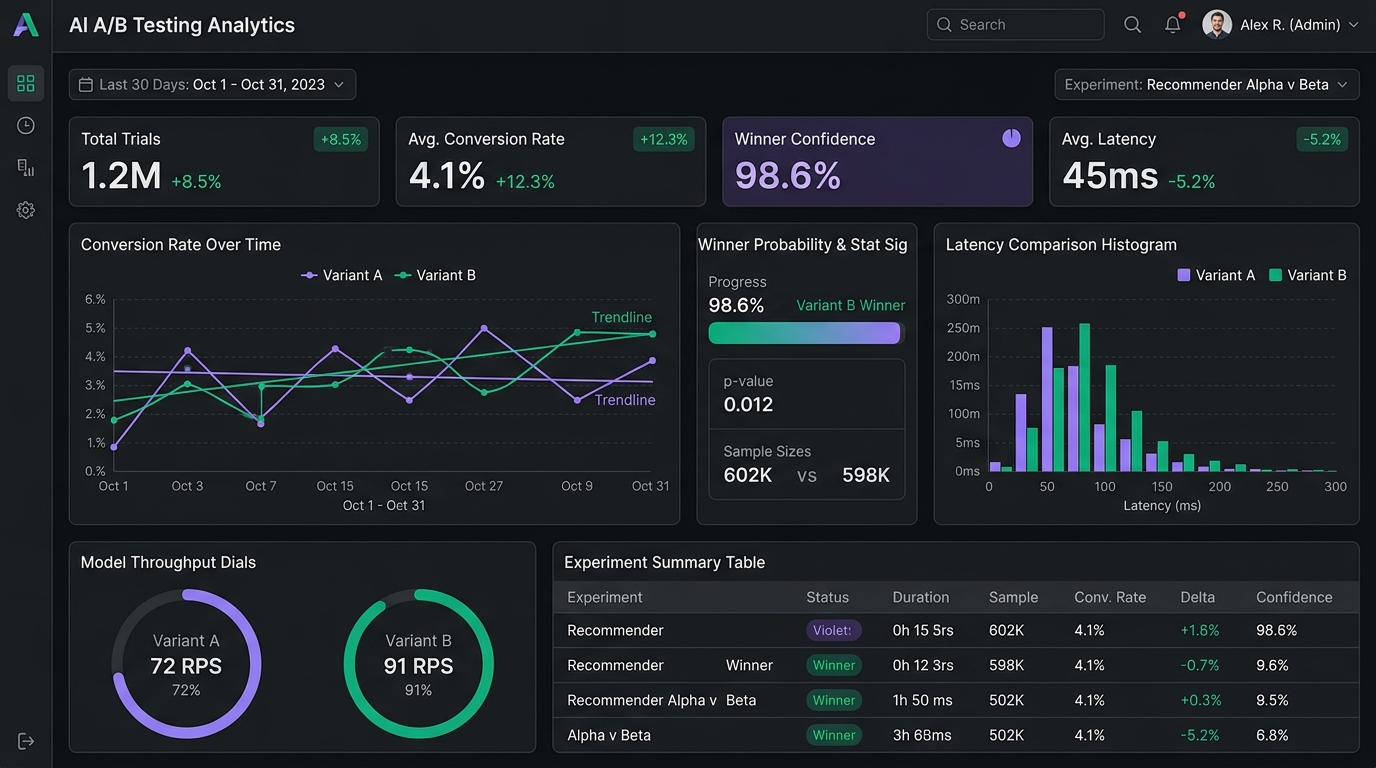
Autonomous Agent Orchestration & Comparative Model Synthesis: The Architecture of Adaptive Intelligence
A comprehensive deep dive into autonomous multi-agent systems, Bayesian A/B routing, dual-model speculative evaluation (ChatGPT/Gemini style), decision branching lineage, and production-scale telemetry.
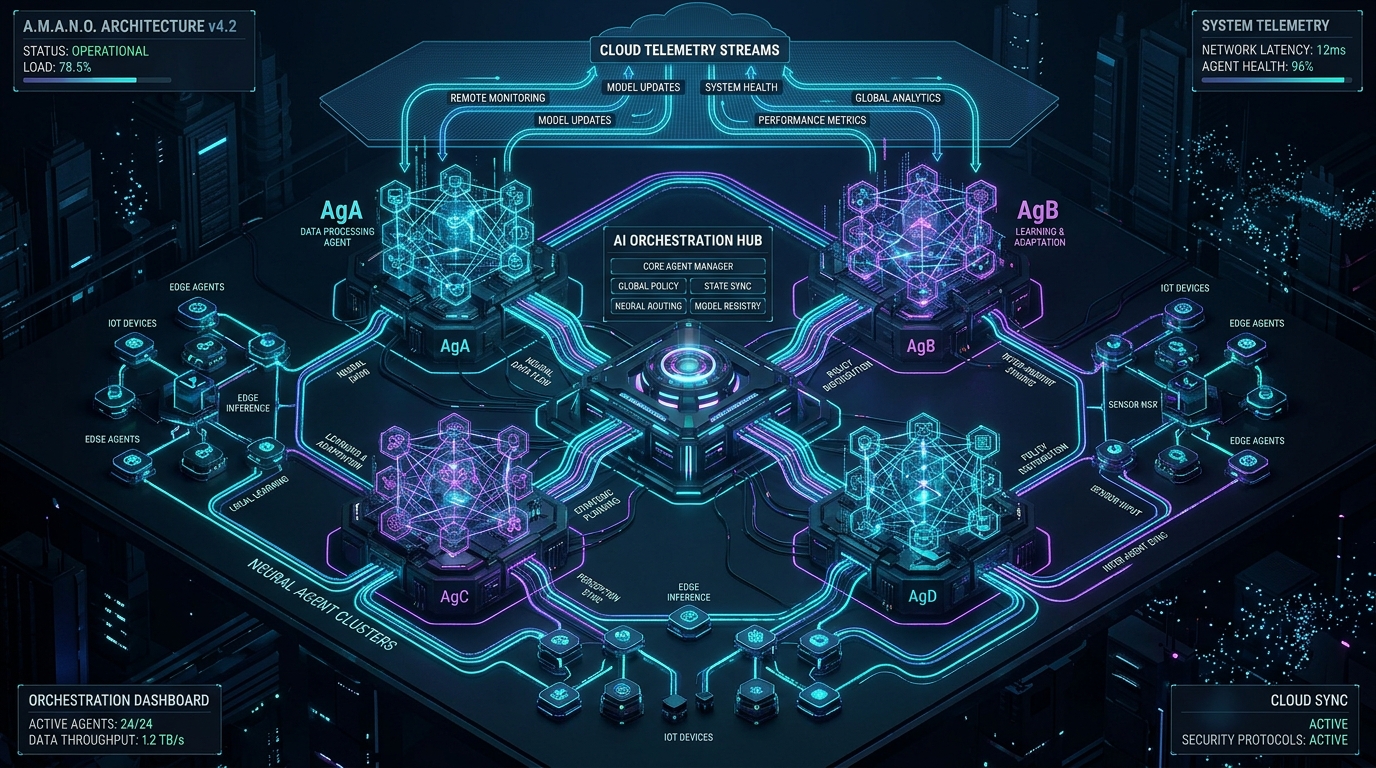
Autonomous Agent Orchestration & Comparative Model Synthesis
A comprehensive deep dive into autonomous multi-agent systems, Bayesian A/B routing, dual-model speculative evaluation (ChatGPT/Gemini style), decision branching lineage, and production-scale telemetry.