How to Build a RAG System From Scratch
A comprehensive guide on building a Retrieval-Augmented Generation system using modern tools and techniques.
Hammad Qaiser
Series: Building AI Systems
- 1How to Build a RAG System From Scratch(Current)
- 23 Ways to Optimize LLM Inference
- 3Deploying LLMs with vLLM and Ray
- 4Autonomous Agent Orchestration & Comparative Model Synthesis
- 5The Ultimate Feature Test: AI Systems, A/B Decisions & Dual-Model Synthesis
- 6Autonomous Agent Orchestration & Comparative Model Synthesis: The Architecture of Adaptive Intelligence
- 7The Complete Guide to Artificial Intelligence: From Neurons to the Singularity
Retrieval-Augmented Generation (RAG) is a powerful technique that enhances Large Language Models (LLMs) by providing them with external, up-to-date information.
1. Document Ingestion
The first step is gathering your documents. You can use loaders for PDFs, markdown files, or databases. The key is to extract clean text.
2. Text Splitting
LLMs have context windows, so you must split your text into manageable chunks. Use recursive character splitters to maintain paragraph context.
3. Embedding and Vector Stores
Convert your chunks into vector embeddings using models like text-embedding-3-small. Store these vectors in a database like Pinecone, Weaviate, or Chroma.
4. Retrieval and Generation
When a user asks a question, embed their query, search your vector store for the top-k most similar chunks, and pass those chunks as context to the LLM to generate an answer.
Continue Reading

3 Ways to Optimize LLM Inference
Discover three essential techniques to speed up Large Language Model inference and reduce costs.
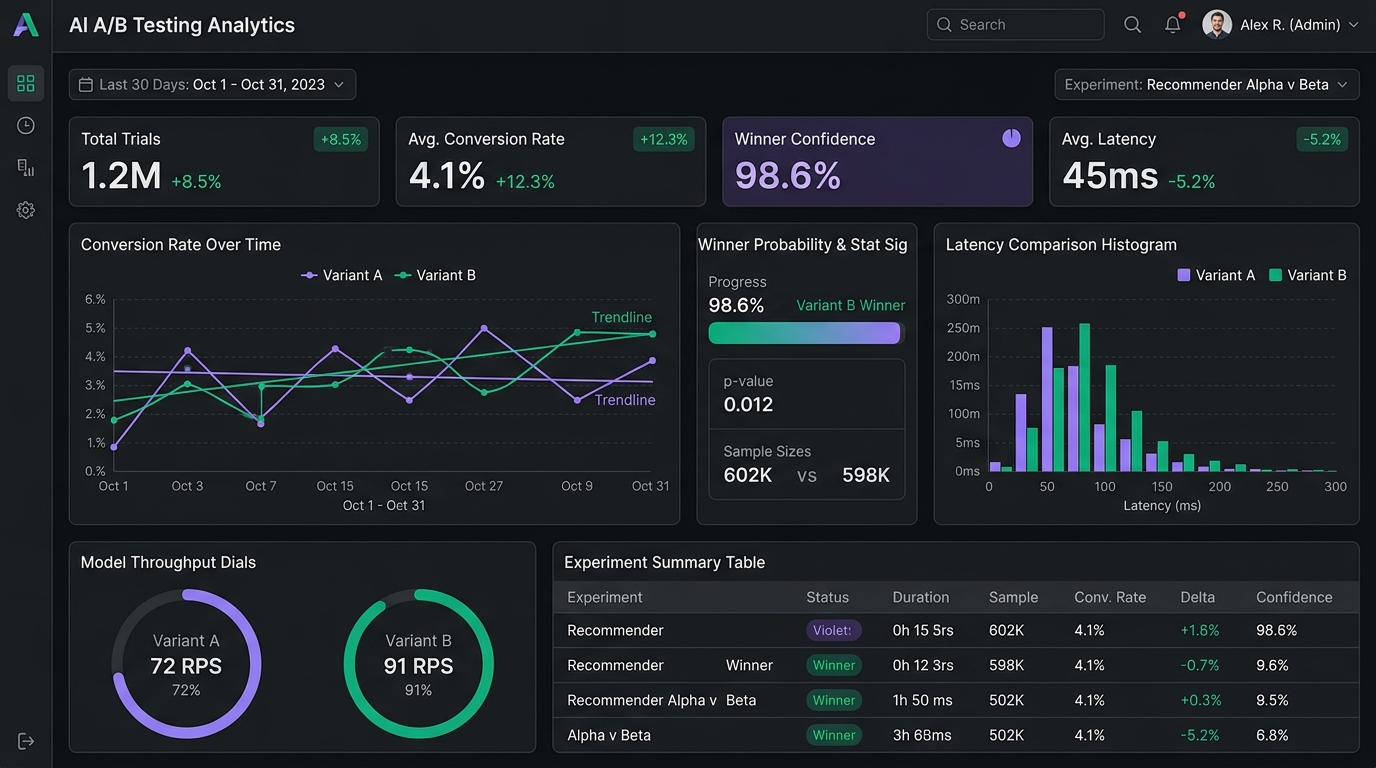
Autonomous Agent Orchestration & Comparative Model Synthesis: The Architecture of Adaptive Intelligence
A comprehensive deep dive into autonomous multi-agent systems, Bayesian A/B routing, dual-model speculative evaluation (ChatGPT/Gemini style), decision branching lineage, and production-scale telemetry.
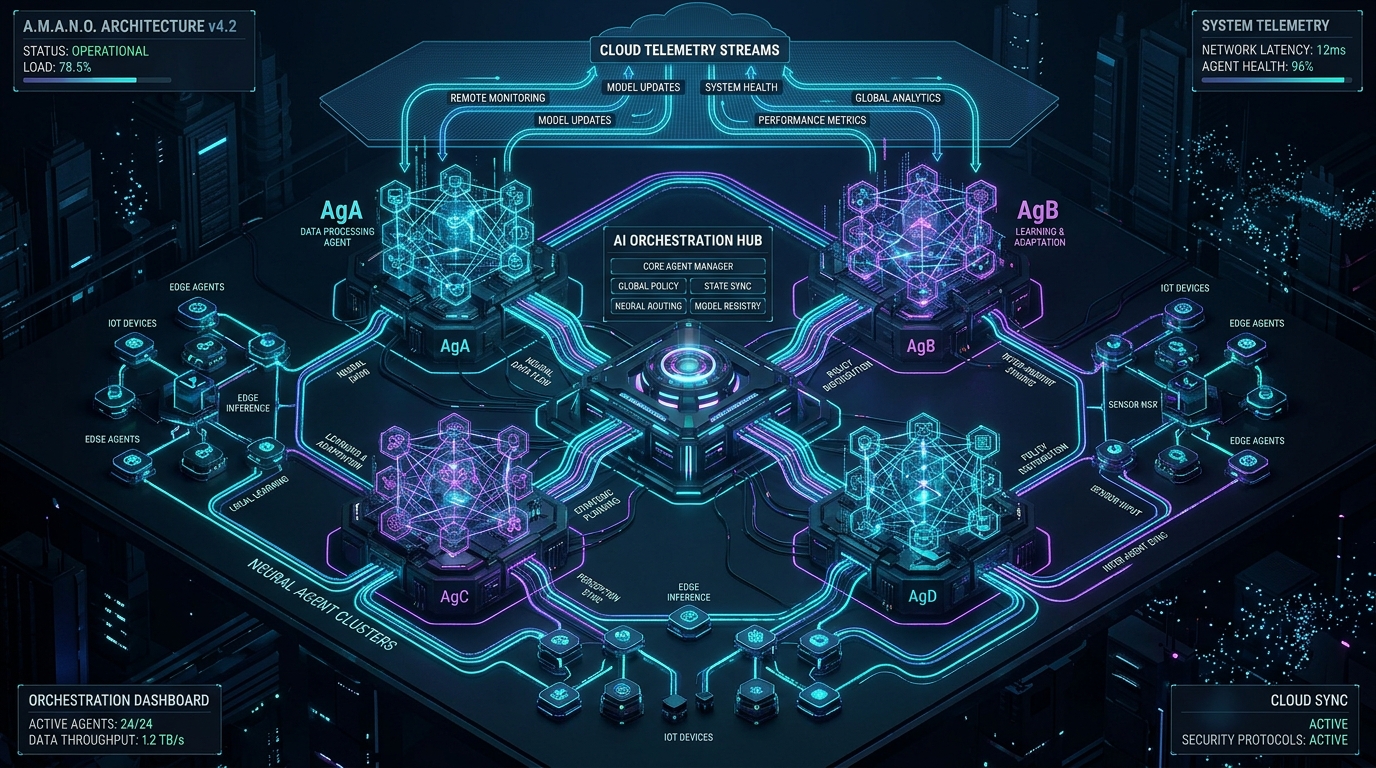
Autonomous Agent Orchestration & Comparative Model Synthesis
A comprehensive deep dive into autonomous multi-agent systems, Bayesian A/B routing, dual-model speculative evaluation (ChatGPT/Gemini style), decision branching lineage, and production-scale telemetry.
Deploying LLMs with vLLM and Ray
A comprehensive tutorial on setting up a high-throughput, low-latency LLM serving cluster using vLLM and Ray.